 Services
Services
Services
A dental implant is a small titanium post placed into the jawbone, topped with a custom crown that looks and functions like a real tooth. Unlike a bridge or denture, it stands on its own — nothing rests on or wears down the teeth next to it.
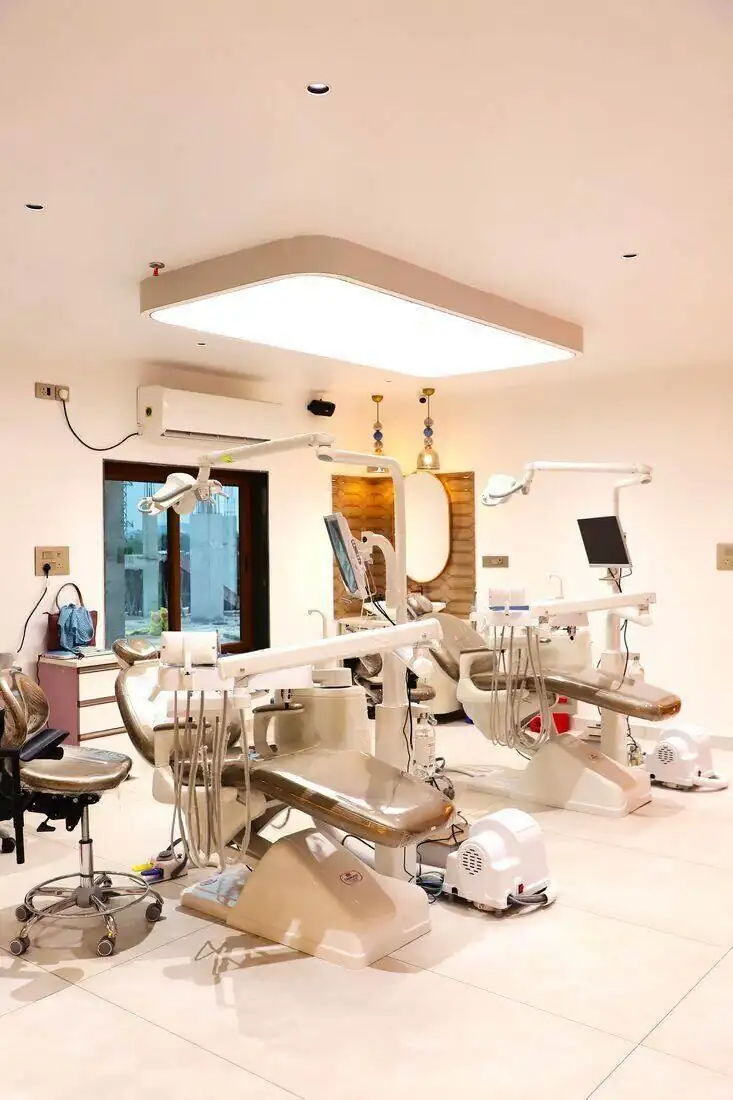
At Sai Dental Studio, every implant case starts with a detailed consultation and imaging so the placement is planned precisely around your bone structure and bite, not guessed at.
If you're exploring dental implants in Bhubaneswar, a consultation helps determine the best treatment for you based on your oral health and goals.
Dental implants are suitable for people with missing or failing teeth. Your dentist will check your bone density, gum condition, medical history and bite alignment to see if implants are right for you.
A single implant replaces both the missing tooth and its root, without filing down the healthy teeth on either side.
Multiple implants can support individual crowns or a bridge, restoring your full bite in one coordinated plan.
Implants can anchor a denture firmly in place, ending the slipping and discomfort that come with a removable one.
When a tooth is too damaged or infected to restore, an implant offers a clean, long-term replacement in its place.
Bone health, gum condition, and bite all vary from person to person. A short consultation is the fastest way to find out where you stand — no guesswork, no pressure.
Missing teeth affect more than appearance. An important change happens beneath the surface — when a tooth root is missing, the jawbone slowly begins to shrink, which can affect the stability of nearby teeth.
Implants replace both the tooth and the root, helping preserve your bone structure.
A dental implant replaces the root of a missing tooth. It's a small titanium post placed inside the jawbone, which fuses with the bone as it heals. Once healing is complete, a custom crown is attached on top — restoring the look and function of a natural tooth.
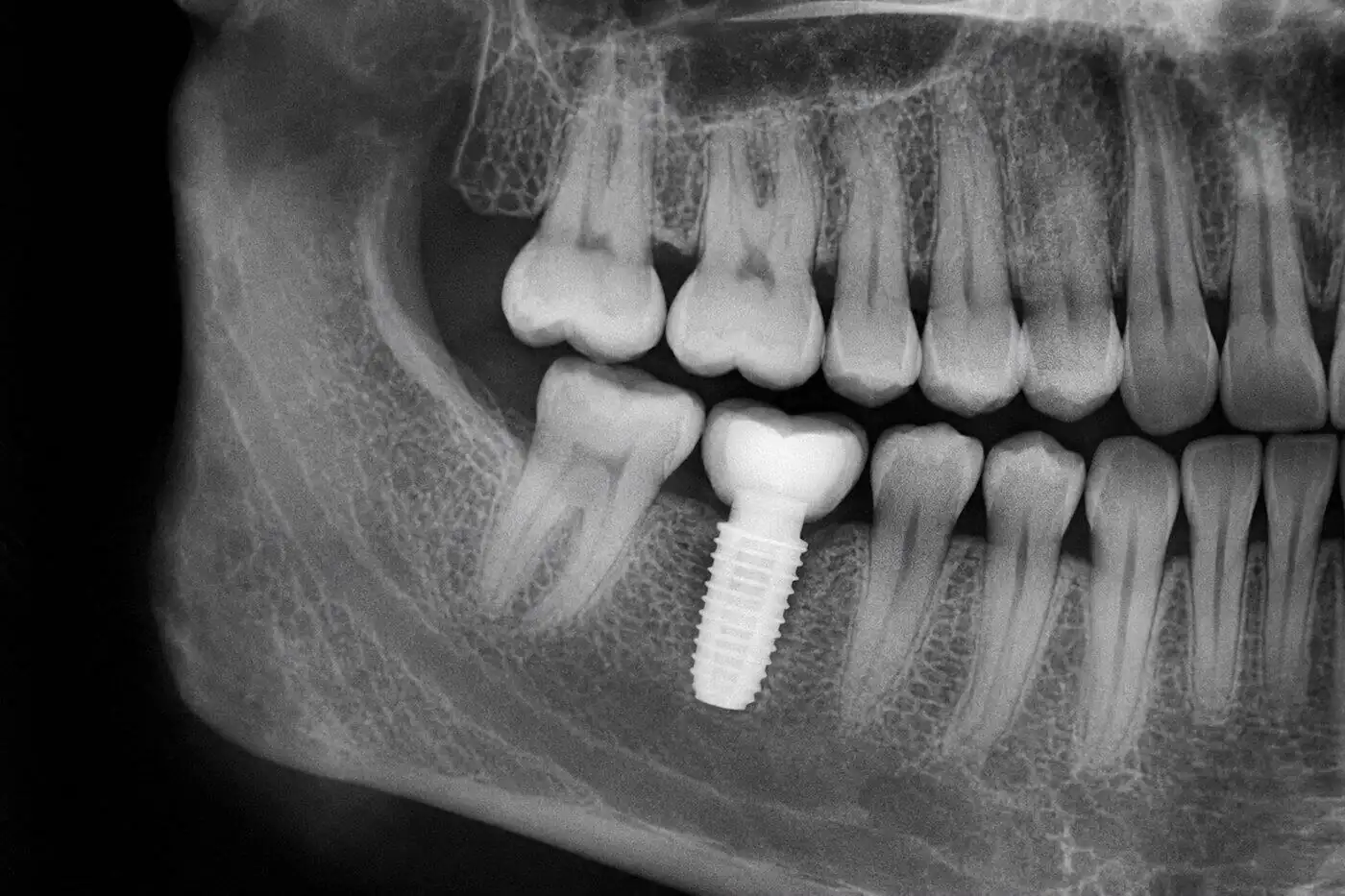
Dental implants offer several advantages compared to other tooth replacement options. At Sai Dental Studio, we thoroughly examine your case and present the best possible treatment plan based on your specific needs.
Implants stimulate the jaw the way a natural tooth root does, helping prevent the bone loss that comes with missing teeth.
Unlike a bridge, healthy neighbouring teeth are never filed down or relied on for support.
The crown is custom shaded and shaped to match your smile — most patients forget which tooth is the implant.
Once fully healed, an implant bites and chews with the same strength as a natural tooth.
With good oral hygiene and regular checkups, an implant can comfortably last a lifetime.
Guided planning means the implant is positioned exactly where it should be — for comfort and for looks.
Every implant case is planned with imaging and placed in a fully sterilised operatory, so accuracy and safety go hand in hand.
A glimpse at real results from patients treated at Sai Dental Studio, Patrapada, Bhubaneswar.
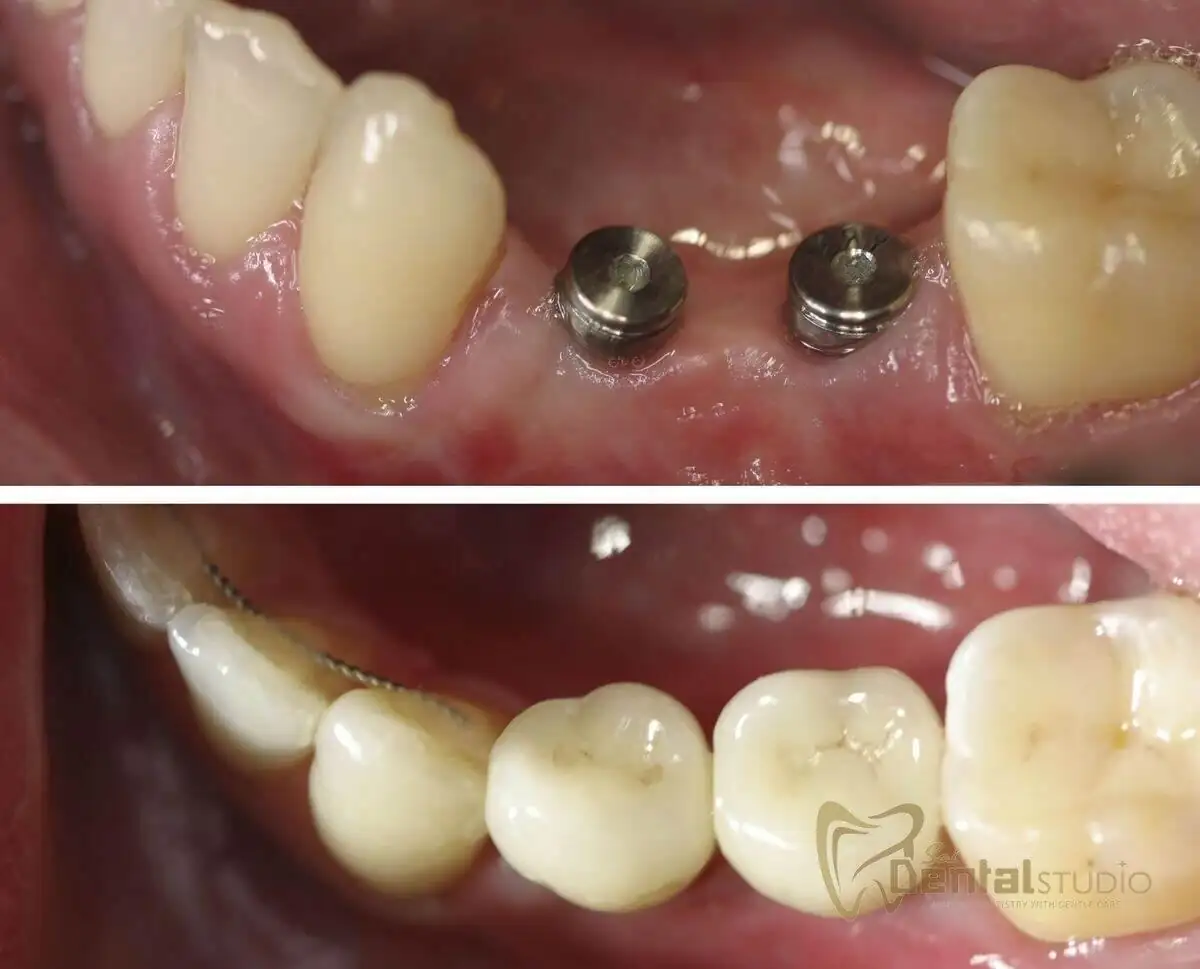
"I'd lost two back teeth years ago and just got used to chewing on one side. The implants feel just like my own teeth now — I didn't expect it to feel this natural."
Rajesh Nair — Two-Tooth Implant Restoration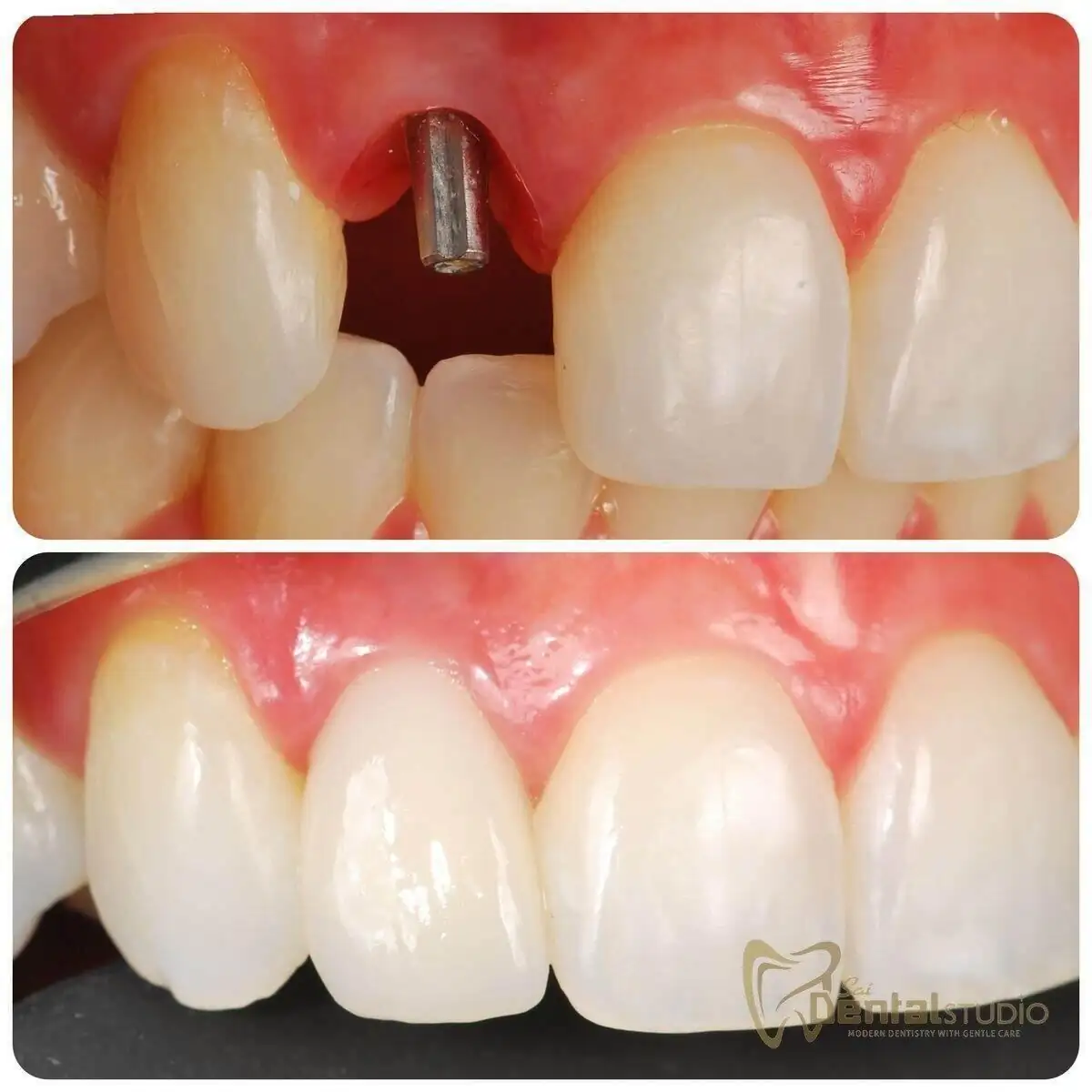
"My front tooth was the one everyone noticed. The team matched the shade and shape so well that even I have to look twice to tell which one is the implant."
Vikram Patnaik — Single Front Tooth Implant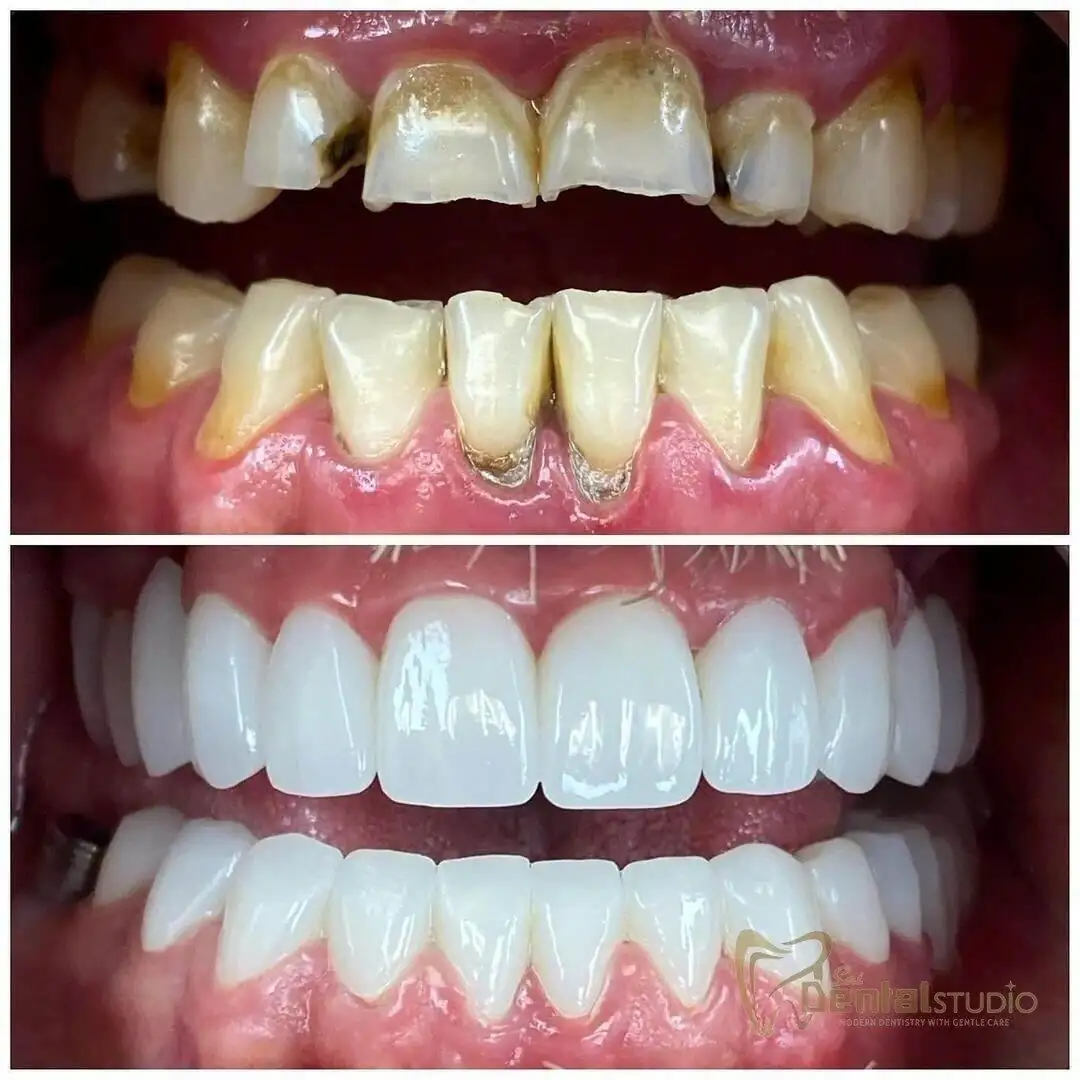
"Years of wear and damage had left me hiding my smile completely. The full restoration gave me back teeth I'm actually proud to show — I still can't stop smiling."
Suresh Behera — Full Mouth Implant & Crown RestorationWe assess your bone density and plan the exact implant position around your bite.
The titanium post is placed under local anaesthesia — most patients describe it as far easier than expected.
Over a few weeks, the implant fuses with the jawbone (osseointegration) to become a stable foundation.
A crown shaped and shaded to match your smile is attached, completing the treatment.
The post gets stronger by fusing with your jawbone over the following weeks — a little care during that time makes a real difference.
For the first week, favour softer foods and chew on the opposite side while the site settles.
Mild swelling or bruising for a few days is normal — a cold compress on the first day helps keep it manageable.
Brush normally elsewhere in your mouth, but clean around the implant site carefully as directed until it's fully healed.
Smoking noticeably slows down how well the implant fuses with the bone — avoiding it during healing protects your result.
Follow-up visits let us confirm the implant is fusing properly before we move ahead with the final crown.
Mild discomfort easing over a few days is normal — pain that gets worse instead of better is worth a quick call to us.
A dental implant can genuinely last a lifetime — these habits are what make the difference.
Implants can still develop gum inflammation around them if plaque builds up — treat it like any other tooth.
We check implant stability and surrounding gum health at your regular visits, catching any issues early.
Excess grinding force can loosen an implant over time — a nightguard protects your investment.
Untreated gum disease around natural teeth can spread and put nearby implants at risk too.
Ice, hard candy, and using your teeth as tools can chip the crown or stress the implant unnecessarily.
If you have diabetes, good blood sugar control supports healthy healing and long-term implant success.
The placement itself is done under local anaesthesia, so you shouldn't feel pain during the procedure. Mild soreness for a few days afterward is normal and manageable with medication.
From placement to final crown is typically a few months, since the implant needs time to fuse with the bone. Your exact timeline depends on your bone health and healing.
Most healthy adults with adequate jawbone are good candidates. We'll confirm this with an exam and imaging during your consultation.
Just like a natural tooth — regular brushing, flossing, and checkups. There's no special routine required.
It depends on the case, including whether a bone graft is needed. We'll walk you through a clear, itemised estimate after your exam.
A bone graft can often build up the site enough to support an implant. We'll confirm whether this applies to you with imaging during your consultation.
With good care, an implant can last 20+ years or even a lifetime. The crown on top may need replacement after 10–15 years of normal wear.
It's uncommon, but possible, most often due to smoking, uncontrolled diabetes, or poor oral hygiene. Following aftercare guidance keeps the risk low.
An implant doesn't rely on your neighbouring teeth for support and typically lasts longer, but a bridge can be faster and less costly upfront. We'll help you weigh both for your case.
No — the crown is shade-matched and shaped to blend in with your surrounding teeth, both in look and everyday function.
Book a consultation and we'll walk you through your options, honestly and without pressure.