 Services
Services
Services
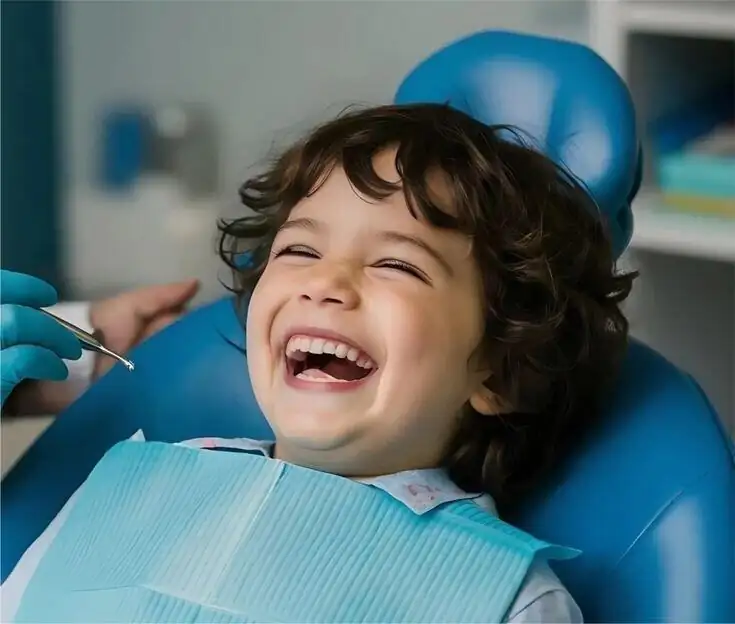
Paediatric dentistry and routine cleanings might look like two different things, but they share the same goal — catching problems early and building habits that keep smiles healthy for life. From a child's very first check-up to a routine adult cleaning, prevention is always simpler and gentler than treatment.
At Sai Dental Studio, every visit is unhurried and reassuring, whether it's a nervous first-timer or a routine six-month check-up. Dr. Laxmi Priya, our General & Paediatric Dentist, leads family and children's appointments — and her calm, gentle manner is why families in Bhubaneswar come back year after year.
Most dental problems are far easier — and cheaper — to manage when they're caught early. Regular visits are how we make sure that happens.
Preventive and paediatric care covers every age and stage — here's who benefits most from a visit.
An early first visit gets kids comfortable with the dentist and lets us track how their teeth are coming in.
Regular check-ups track growth, catch early cavities, and reinforce good brushing habits along the way.
A professional cleaning removes plaque and tartar that brushing alone can't reach, keeping gums healthy.
Bleeding or sensitive gums are often early signs of gum disease — a check-up catches it before it progresses.
As a general rule, a first dental visit by their first birthday and a check-up every six months after keeps things simple. We're happy to guide you either way.
Cavities and gum disease rarely announce themselves early. Without regular check-ups, small issues are usually only caught once they've already become bigger ones.
Routine visits keep treatment simple, quick, and far less stressful — for kids and adults alike.
Whether it's a child's first check-up or a routine adult cleaning, the visit follows the same reassuring structure — examine, clean, and guide.

Consistent check-ups and cleanings are the simplest, most affordable way to protect a smile for the long run.
Small cavities and early gum changes are far easier to treat than problems left to grow.
Kids who grow up comfortable with the dentist carry that confidence into adulthood.
A routine check-up or cleaning usually takes well under an hour, start to finish.
A professional cleaning lifts stains and buildup that brushing at home simply can't reach.
Removing plaque and tartar regularly keeps gums healthy and reduces the risk of disease.
Every visit is paced to the patient — especially important for first-time young visitors.
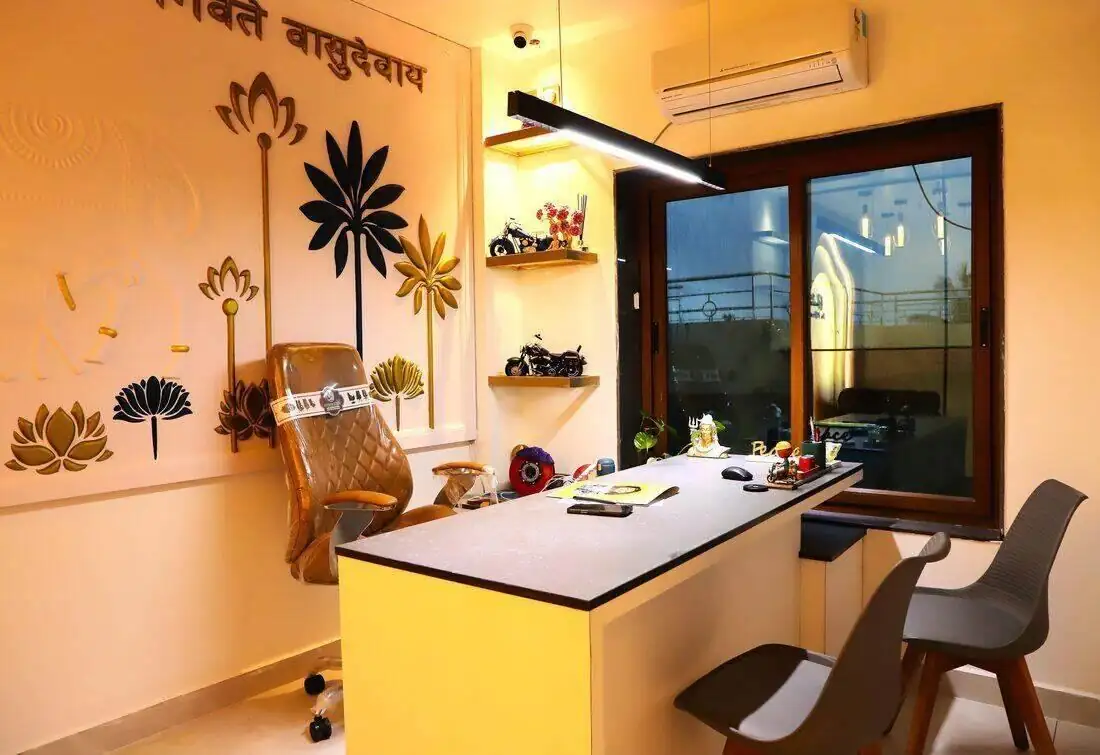
Our reception and treatment spaces are designed to feel calm and unintimidating, especially for younger patients.
We settle you (or your child) in and walk through what to expect, at a pace that feels comfortable.
A thorough check of teeth, gums, and bite — with an x-ray if anything needs a closer look.
Plaque and tartar are gently removed, and teeth are polished smooth and bright.
We share simple home-care tips and confirm when your next visit should be.
Most preventive visits need no real recovery at all — here's what to expect either way.
A little sensitivity to hot or cold after a cleaning is normal and usually settles within a day.
If gums were inflamed beforehand, a gentle cleaning can leave them a bit tender for a day — this settles quickly.
If a small filling was placed, avoid chewing on that side until any numbness fully wears off.
For kids, a positive word after their visit does more for future appointments than the visit itself.
Bleeding that continues well beyond the visit or ongoing pain is worth a quick call rather than waiting it out.
Scheduling your next 6-month visit on the way out is the easiest way to actually keep the habit going.
The daily habits that matter most for keeping the whole family out of the dentist's chair for the wrong reasons.
Two minutes, morning and night, with fluoride toothpaste is still the single most effective daily habit.
Most cavities between teeth start in spots a toothbrush simply can't clean properly.
It's less about total sugar and more about frequency — constant grazing gives bacteria more chances to do damage.
Most children need help brushing thoroughly until around age 7 or 8 — a quick supervised pass makes a real difference.
Milk or juice left on baby teeth overnight is one of the most common, preventable causes of early childhood decay.
Regular checkups catch small issues while they're still simple, painless, and inexpensive to treat.
Ideally by their first birthday, or within six months of their first tooth appearing — whichever comes first.
Every six months is the general recommendation, though some patients benefit from more frequent visits depending on their gum health.
No — most patients feel mild pressure at most. Some sensitivity afterward is normal and settles quickly.
That's completely normal. We take things slow, explain everything in simple terms, and never rush a first visit.
Routine preventive visits are priced affordably and clearly — we'll confirm the exact cost before any treatment, with no surprises.
Yes — untreated decay in baby teeth can cause pain and infection, and can even affect the permanent tooth developing underneath.
In most cases, yes — let our front desk know when booking and we'll try to schedule everyone back-to-back.
Yes, age-appropriate fluoride application is a well-established, safe way to strengthen young teeth and prevent decay.
A routine cleaning covers the visible surfaces above the gumline. A deep cleaning treats buildup below the gumline, usually recommended if early gum disease is present.
Yes, when clinically needed — we use low-radiation digital X-rays and only recommend them when they'll genuinely help with diagnosis.
Book a consultation for your child's first visit or a routine cleaning — no pressure, just honest guidance.