 Services
Services
Services
A root canal clears out infected or inflamed tissue from inside a tooth and seals the space, so you keep the tooth itself instead of losing it to extraction. It sounds worse than it feels — most patients are surprised at how manageable the appointment actually is.
At Sai Dental Studio, the area is numbed thoroughly before we begin, and we talk you through each step as we go, so nothing catches you off guard mid-treatment.
When a tooth is infected but its outer structure is still sound, saving it is almost always the better call long-term compared to pulling it out.
Not every toothache means you need a root canal, but a few symptoms are worth getting checked early rather than waiting them out.
Pain that lingers well after the hot or cold trigger is gone often points to an inflamed or infected nerve inside the tooth.
Pain that comes and goes without an obvious cause, especially if it's worse at night, is worth having examined.
A small bump near the root can be a sign of infection draining beneath the surface, even if it isn't painful yet.
An x-ray sometimes shows decay reaching the tooth's nerve before pain ever shows up on its own.
Tooth pain can come from a few different causes. A quick exam and x-ray tells us exactly what's going on, before we recommend anything.
An infected tooth doesn't resolve on its own. Left alone, the infection tends to work its way deeper into the surrounding bone and tissue over time.
Treating it early, while the tooth can still be saved, is almost always simpler than dealing with what comes after.
Inside every tooth is a soft tissue called the pulp, which contains nerves and blood vessels. Once that tissue becomes infected or inflamed, it needs to be removed and the space sealed to stop the problem from getting worse.
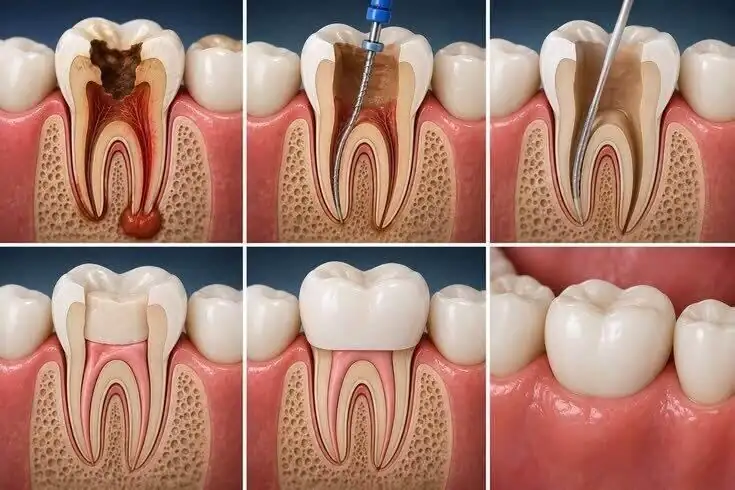
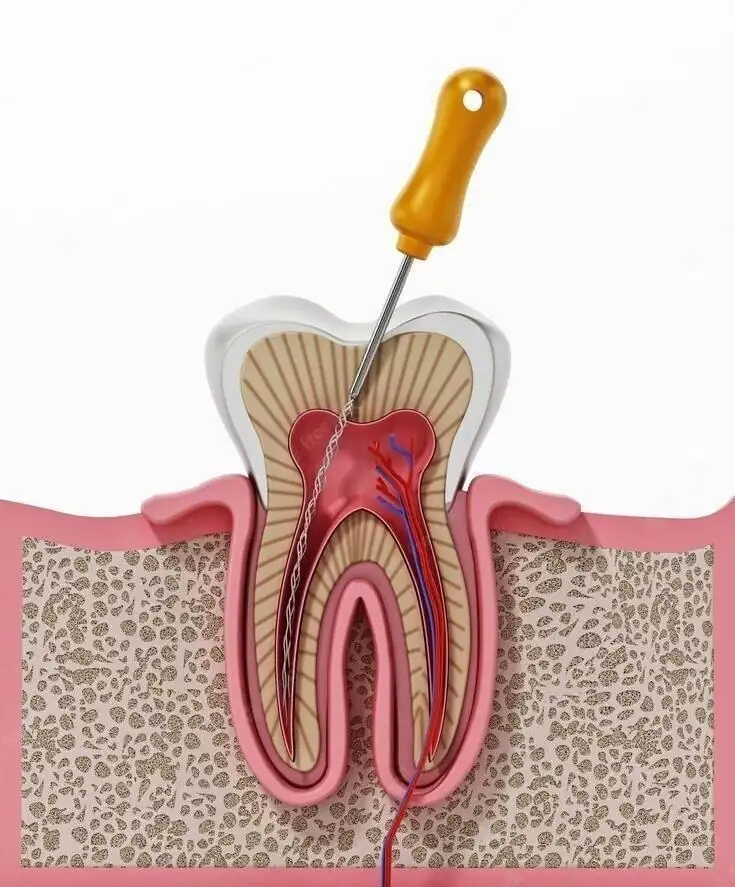
A root canal keeps your natural tooth root and bone structure intact, which is usually the better long-term outcome compared to extraction.
Removing the infected tissue eliminates the cause of the pain, not just the symptom.
Your own tooth root stays in place, along with the natural bite feel that comes with it.
Keeping the root intact helps avoid the bone loss that tends to follow an extraction.
Most straightforward cases are completed in one or two appointments, start to finish.
A crown placed once healing is complete restores full strength for everyday chewing.
The canal is cleaned and shaped carefully, in a fully sterilised operatory throughout.
We numb thoroughly and check in with you throughout, so the procedure stays as comfortable as possible.
A few stories from patients treated at Sai Dental Studio, Patrapada, Bhubaneswar.
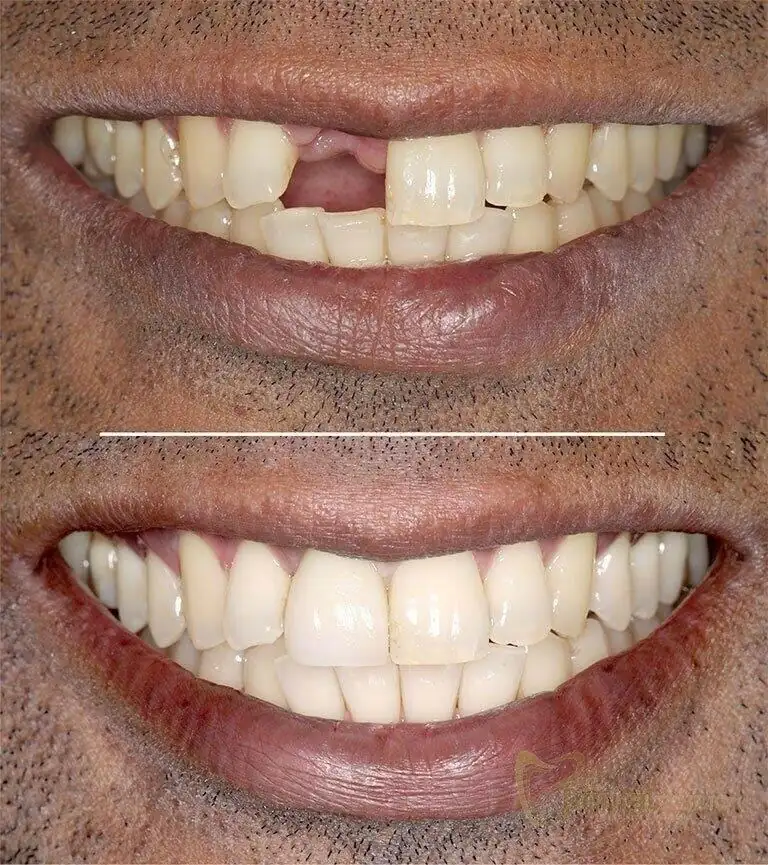
"I'd lived with a broken front tooth for months, too nervous to do anything about it. The root canal and crown gave me back a full smile — I didn't think it would look this natural."
Debendra Swain — Root Canal & Crown Restoration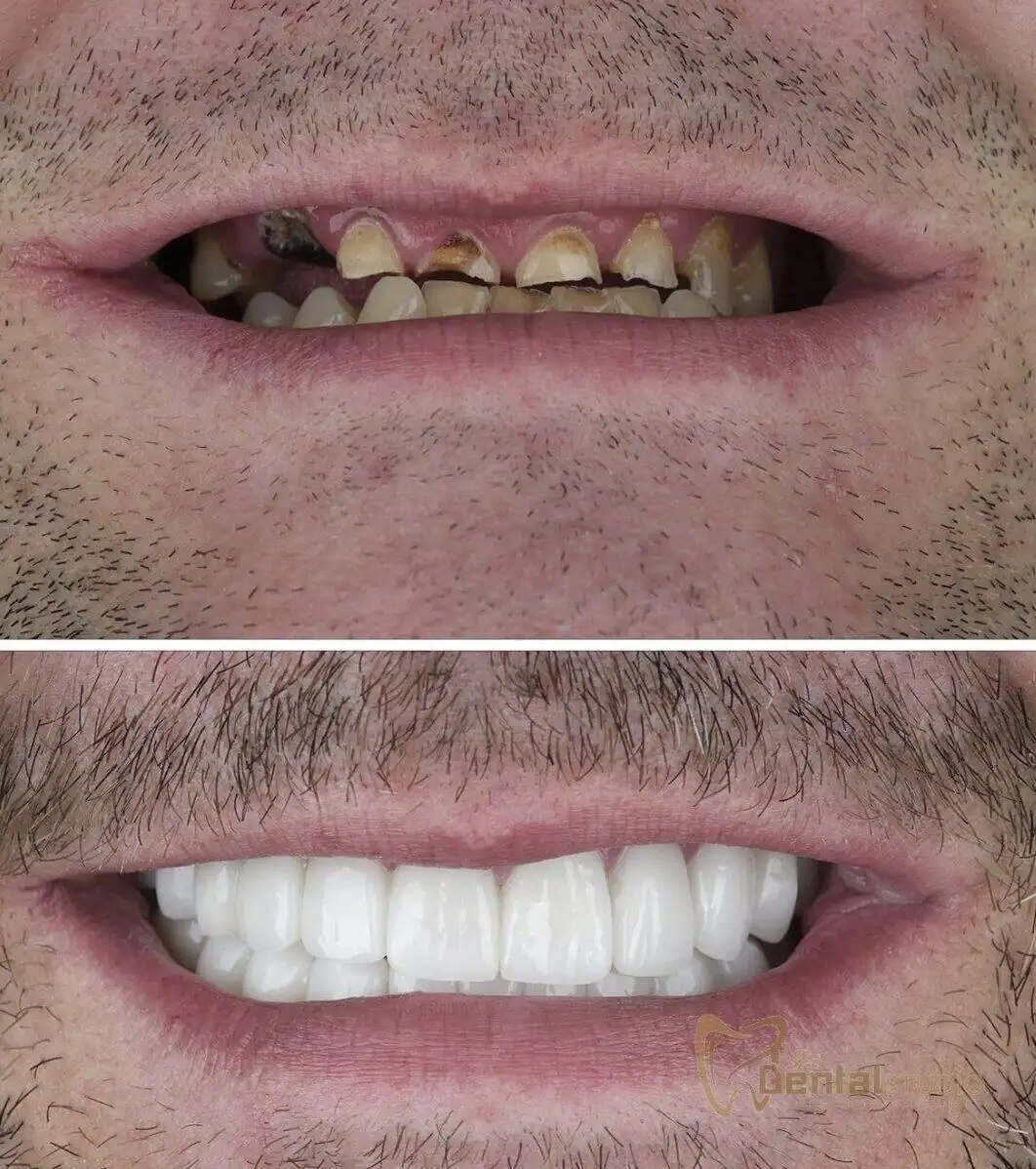
"Years of neglect had left several of my teeth badly broken and infected. I was sure I'd need most of them pulled, but root canal treatment plus a full set of crowns saved my own teeth and rebuilt my smile completely."
Chinmay Pradhan — Multiple Root Canals & Full Arch Crowns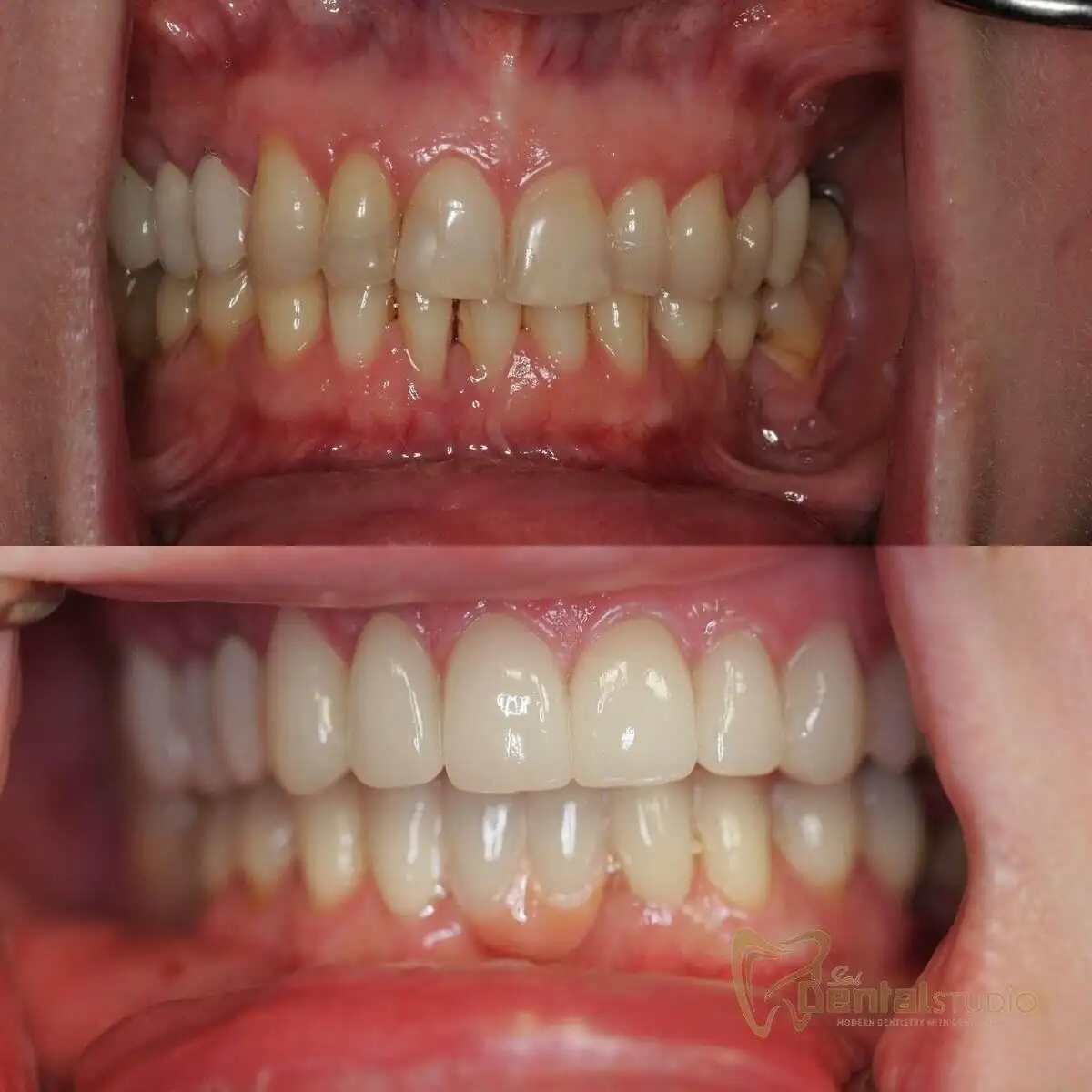
"My teeth had worn down and discoloured over the years, and one had become badly infected. Root canal treatment on that tooth followed by a full set of crowns gave me back an even, healthy-looking smile."
Aparajita Nayak — Root Canal & Full Arch Crown RestorationWe confirm the diagnosis and check how far the infection extends before recommending treatment.
The infected tissue is removed and the canal cleaned and shaped, under local anaesthesia throughout.
The cleaned space is filled with a biocompatible material to seal it and prevent reinfection.
A crown is fitted over the tooth to protect and strengthen it for everyday chewing.
The canal is sealed, but the tooth still needs a little care while it settles and heals.
Stick to the other side of your mouth until the permanent crown is placed — the tooth is more fragile until then.
Some tenderness for 2–3 days is expected as the area settles. Over-the-counter pain relief is usually enough.
If we've prescribed antibiotics or a pain reliever, complete the full course even if you're feeling better already.
Swelling, a bad taste, or pain that gets worse instead of better after a few days means you should call us right away.
Don't delay the follow-up visit — a treated tooth without its crown is more prone to cracking under normal biting force.
Keep cleaning the treated tooth gently — good hygiene around it matters just as much as before treatment.
A root canal treats one infected tooth — a few habits help you avoid needing another.
Sensitivity that lingers or pain when biting down is worth checking early — before it reaches the nerve.
Routine exams and x-rays catch decay while it's still small — long before it threatens the pulp.
A small filling now is a far simpler fix than waiting until decay works its way toward the nerve.
Cracked teeth from grinding are one of the most common paths to needing a root canal later on.
Consistent brushing and flossing reduce the bacteria that eventually work their way toward the tooth's nerve.
Ice, pens, and fingernails are common causes of the cracked teeth that later need root canal treatment.
With modern anaesthesia, most patients feel little to no pain during the procedure itself. Some soreness for a few days afterward is normal and manageable with medication.
Most cases are completed in one to two visits, depending on the tooth and how far the infection has spread.
In most cases, yes. A crown protects the tooth from cracking, since it can become more brittle once treatment is done.
The infection doesn't resolve on its own — it typically spreads further and can eventually lead to losing the tooth altogether.
It depends on the tooth's location and how complex the canal system is. We'll give you a clear, written estimate after your exam — no surprise charges later.
In most cases, yes. Keeping your natural tooth preserves your bite and jawbone, and avoids the extra cost of replacing it later with an implant or bridge.
Stick to soft foods on the opposite side while the numbness wears off, and avoid very hot or cold foods for the first day if the area feels sensitive.
It's uncommon, but possible if a canal is missed or the tooth gets reinfected later. If pain returns after treatment, come back in — retreatment is usually straightforward.
Yes, local anaesthesia used for root canals is very safe and routinely used. Let us know about any allergies or medical conditions beforehand so we can plan accordingly.
Most patients feel back to normal within a week. Full comfort with biting force usually returns once the permanent crown is in place.
Book a consultation and we'll find out exactly what's causing it — no guesswork, no pressure.