Introduction
Many parents assume dental visits can wait until a child has a full set of teeth, or until something looks wrong. It's an understandable assumption, and it's also one that paediatric dental guidance actively recommends against.
This isn't a study Dr. A. Mahaprasad co-authored, it's a plain-language guide based on established paediatric dentistry guidance, written to help parents in Patrapada, Bhubaneswar feel prepared rather than anxious about their child's first dental visit.
When Should the First Visit Happen?
The American Academy of Pediatric Dentistry recommends a child's first dental visit happen within six months of their first tooth appearing, and no later than their first birthday. That often surprises parents, it's much earlier than most people assume.
The reasoning is simple: it's easier to build comfort and good habits before there's ever a problem to fix, rather than a child's first dental memory being an emergency visit for pain.
Quick Insight
An early, low-pressure visit is as much about your child getting comfortable with the dentist as it is about checking their teeth.
What Actually Happens at the First Visit
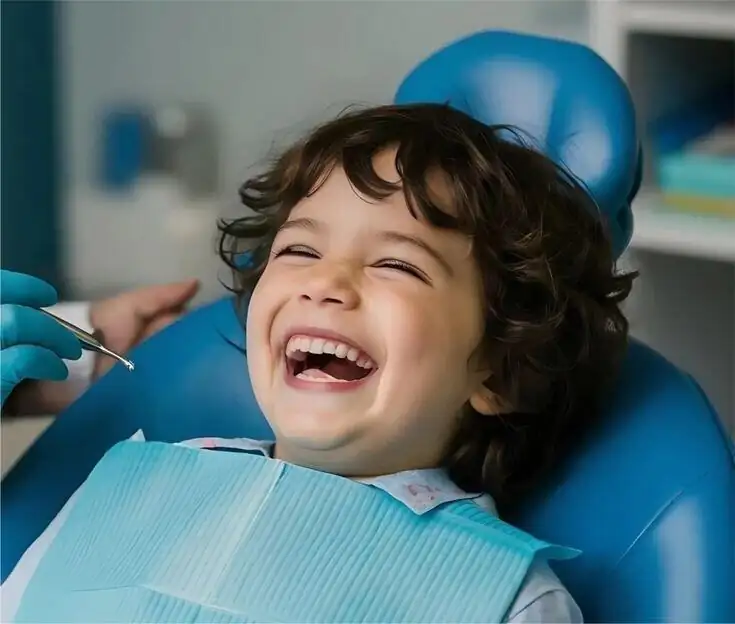
First visits are intentionally short, gentle, and low-stress. A typical visit usually includes:
- A gentle visual check of teeth, gums, and bite development
- Guidance for parents on brushing technique, fluoride use, and diet
- An opportunity for your child to sit in the chair, meet the team, and get familiar with the environment
- A discussion of habits like thumb-sucking or pacifier use, if relevant at that age
There's usually no treatment involved at all, the goal is simply comfort and prevention.
Why Baby Teeth Matter More Than You'd Think
It's a common myth that baby teeth "don't really matter" since they eventually fall out. In reality, they play several important roles:
- They hold space for permanent teeth developing underneath
- They support clear speech development
- They allow proper chewing and nutrition during key growth years
- Untreated decay in a baby tooth can lead to pain, infection, and can affect the permanent tooth forming beneath it
Key Takeaways
- First dental visit should happen within 6 months of the first tooth, or by age one.
- Early visits are about comfort and prevention, not treatment.
- Baby teeth matter for speech, chewing, and space for adult teeth.
- Untreated baby tooth decay can affect the permanent tooth underneath.
- Starting early is the biggest single factor in preventing dental anxiety later.
Myths vs Facts
Preparing Different Ages
Infants and Toddlers (First Tooth to Age 2)
The focus is purely on comfort, gentle introduction to the dental chair, and parent guidance on brushing and diet.
Preschoolers (Ages 3-5)
Routine checkups continue, along with age-appropriate conversations about brushing habits and, if needed, early guidance on thumb-sucking or pacifier weaning.
School-Age Children
As permanent teeth begin coming in, checkups start to include monitoring for alignment issues and cavity risk in new molars.
Anxious or Nervous Children
A dentist experienced with children, calm language at home, and avoiding words like "hurt" or "pain" before a visit all help considerably.
Risks of Waiting Too Long
- Delayed detection of early decay, which is far easier and less invasive to treat when caught early.
- Increased dental anxiety if a child's first real dental memory is an emergency or painful visit.
- Preventable pain or infection from cavities that could have been caught during a routine check.
- Missed guidance on habits like thumb-sucking or diet that are easier to adjust early than to undo later.
Benefits of Starting Early
Lower Dental Anxiety
Early, positive experiences build comfort that often lasts into adulthood.
Early Problem Detection
Small issues are far easier and less stressful to manage than advanced ones.
Healthy Habits Early
Parents get personalised, practical brushing and diet guidance from the start.
Better Long-Term Outcomes
Regular early care supports healthier permanent teeth as they come in.
Warning Signs Between Checkups
- Warning signs: White or brown spots on teeth, complaints of sensitivity, or visible swelling of the gums.
- Emergency situations: Facial swelling, a knocked-out tooth, or persistent pain need prompt attention, don't wait for the next scheduled visit.
- Preventive care: Routine six-month checkups remain the best way to catch small problems early.
Frequently Asked Questions
The American Academy of Pediatric Dentistry recommends a first visit within six months of the first tooth appearing, and no later than a child's first birthday, even if it seems early.
Yes, significantly. Baby teeth hold space for adult teeth, help with speech development and chewing, and untreated decay in baby teeth can lead to pain, infection, and problems for the permanent teeth developing underneath.
It's usually short and gentle: a visual check of teeth and gums, guidance for parents on brushing and diet, and building familiarity with the dental chair and environment so future visits feel normal rather than scary.
Starting early, before there's ever a painful problem to treat, is the single biggest factor in preventing dental anxiety. Choosing a dentist experienced with children and using calm, simple language at home also helps a great deal.
Every six months is the general standard, though your dentist may recommend a different schedule based on your child's individual cavity risk.
Yes, age-appropriate fluoride use is a well-established, widely recommended part of cavity prevention. Your dentist will guide the right amount for your child's age.
This is common and expected, especially at a first visit. Paediatric-experienced dental teams are used to it and focus on building comfort gradually rather than forcing a full exam in one sitting.
Yes, our family care services are designed to be gentle and welcoming for young patients. Book a consultation to schedule your child's first visit.
Conclusion
Starting early isn't about rushing your child into treatment, it's about building comfort and catching small things before they become bigger, more stressful problems. A calm, positive first visit can shape how your child feels about dental care for years to come.
At Sai Dental Studio, our approach with young patients is built around exactly that: patience, gentleness, and making the dentist feel like a normal, unremarkable part of growing up.
References
- American Academy of Pediatric Dentistry. Age One Dental Visit / Parent Resources. aapd.org (Patient education — not affiliated with this article)
- Savage MF, Lee JY, Kotch JB, Vann WF Jr. Early Preventive Dental Visits: Effects on Subsequent Utilization and Costs. Pediatrics. 2004;114(4):e418–423. DOI: 10.1542/peds.2003-0469-F · PubMed: PMID 15466066 (Cohort study on early preventive visits and costs — not affiliated with this article)
- Beil H, Rozier RG, Preisser JS, Stearns SC, Lee JY. Effect of Early Preventive Dental Visits on Subsequent Dental Treatment and Expenditures. Medical Care. 2012;50(9):749–756. DOI: 10.1097/MLR.0b013e3182551713 · PubMed: PMID 22525611 (Medicaid claims cohort study — not affiliated with this article)
- American Dental Association. Oral Health Topics — Infant and Children's Oral Health. ada.org — Oral Health Topics (Clinical guidance — not affiliated with this article)
- World Health Organization. Oral Health Fact Sheet. who.int — Oral Health (General public health reference — not affiliated with this article)
- National Library of Medicine — PubMed. pubmed.ncbi.nlm.nih.gov (Database used for peer-reviewed research — not affiliated with this article)