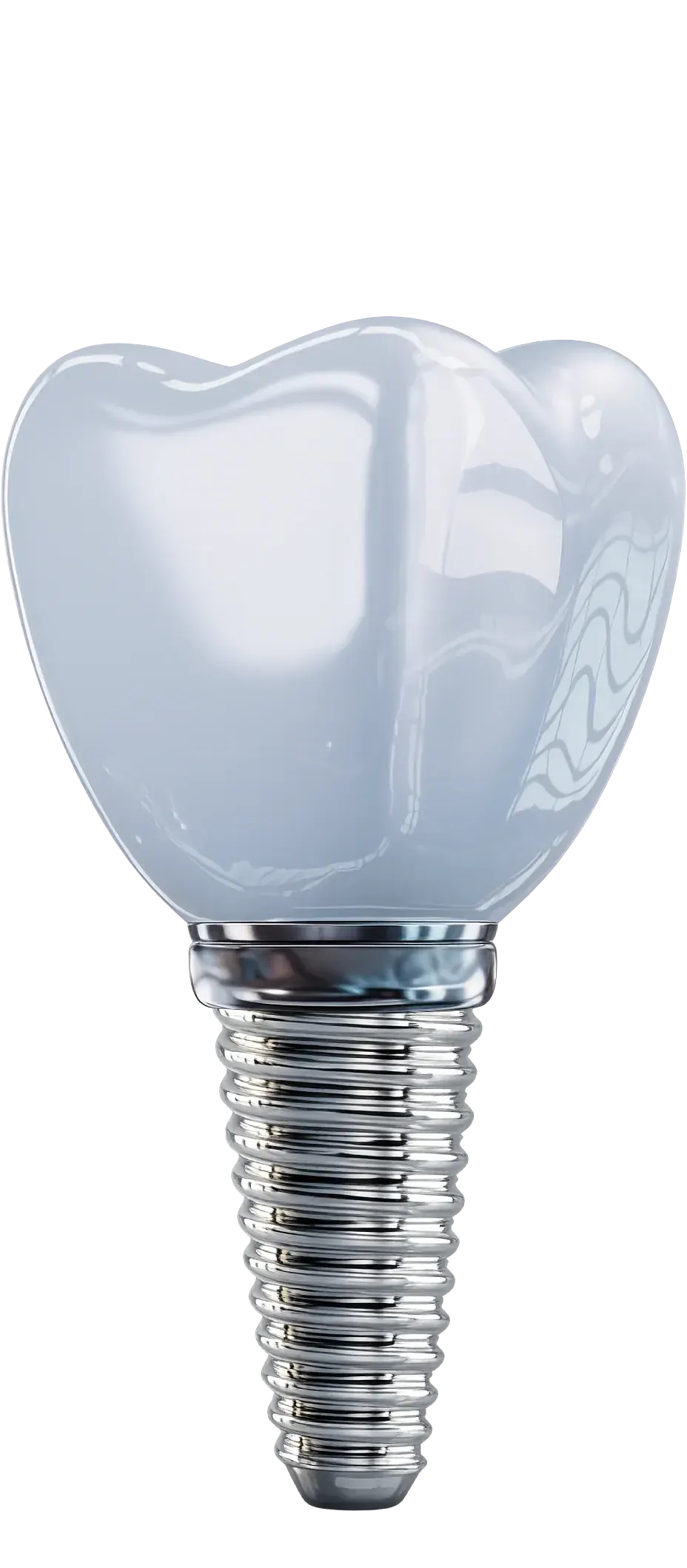
Introduction
If you've ever needed a crown — that cap-like cover a dentist places over a damaged or weakened tooth — you've probably focused on how it looks and how much it costs. Fair enough. But there's a quieter factor that matters just as much for your long-term oral health: how easily bacteria stick to it.
Dr. A. Mahaprasad, founder of Sai Dental Studio in Patrapada, Bhubaneswar, recently co-authored a published laboratory study looking at exactly this question — comparing four popular crown materials to see which ones hold onto bacteria the least. The findings have real, practical implications for anyone getting a crown, bridge, or veneer in the near future.
What Is a CAD/CAM Crown?
CAD/CAM stands for Computer-Aided Design and Computer-Aided Manufacturing. Instead of a technician hand-shaping your crown, a dentist scans your tooth digitally, designs the crown on a computer, and a milling machine carves it out of a solid block of ceramic or resin material.
This approach has become the norm in modern dentistry because it's fast, precise, and consistent. But not all CAD/CAM materials behave the same way once they're sitting in your mouth — and that's exactly what this research set out to measure.
Why Surface Roughness Matters
Every material, no matter how smooth it looks, has microscopic texture. The rougher that texture, the more tiny "hiding spots" it offers for bacteria — specifically Streptococcus mutans, one of the main bacteria behind tooth decay and gum irritation.
- Rougher surfaces trap more plaque and food debris
- Trapped bacteria are harder to clean away with normal brushing
- Over time, this can raise the risk of decay around the crown's edges and irritation in the surrounding gum
In short: a beautifully fitted crown made from the "wrong" material for your situation can quietly become a magnet for the very bacteria you're trying to avoid.
Quick Insight
Polishing a crown's surface reduced bacterial buildup across every single material tested in this study — but some materials still stayed cleaner than others even after polishing, showing that the base material genuinely matters, not just the finish.
What This Research Found
This study, published in the Journal of Pharmacy and Bioallied Sciences (2025) and co-authored by Dr. A. Mahaprasad, tested four widely used CAD/CAM restorative materials in a laboratory setting:
- Zirconia
- Lithium disilicate
- Hybrid ceramic
- Resin nano-ceramic
Purpose: To find out whether the type of material — and how smooth its surface was — affected how much bacteria stuck to it.
Method, in plain terms: Researchers prepared samples of each material, measured their surface smoothness with a precision instrument, then exposed them to bacteria in a controlled lab environment for 24 hours. Afterward, they counted exactly how much bacteria had attached to each sample — both before and after polishing.
Main findings:
- All materials showed less bacterial buildup after polishing — proving that finishing technique matters, regardless of material.
- Zirconia consistently showed the lowest bacterial adhesion of the four materials after polishing.
- Lithium disilicate showed the highest bacterial counts, even after polishing.
- Rougher surfaces reliably attracted more bacteria — confirming that smoothness isn't just cosmetic, it's protective.
What it means for you: If you're choosing a crown material — especially for a tooth that's prone to decay, or if you have a history of gum sensitivity — this research suggests zirconia and well-polished hybrid ceramic may offer a hygiene advantage over other CAD/CAM options. Your dentist can help weigh this against strength, appearance, and cost for your specific tooth.
How the Materials Compare
| Material | Bacteria Resistance* | Typical Look | Best For |
|---|---|---|---|
| Zirconia | Best in this study | Strong, slightly less translucent | Back teeth, high-bite-force areas |
| Hybrid Ceramic | Good | Natural-looking | Balanced strength + aesthetics |
| Resin Nano-Ceramic | Moderate | Natural, slightly softer material | Lower-bite-force areas |
| Lithium Disilicate | Lowest in this study | Very translucent, most natural | Front teeth where aesthetics are the priority |
*Based on polished-surface bacterial adhesion results reported in the referenced study. Individual clinical decisions should always be made with your dentist.
Key Takeaways
- Crown material choice affects more than looks — it can affect long-term bacterial buildup and decay risk.
- Polishing meaningfully reduces bacterial adhesion on every material tested.
- Zirconia showed the strongest bacteria resistance in this published study.
- Lithium disilicate still offers the most natural, translucent appearance — a trade-off worth discussing with your dentist.
- Regular checkups matter more than material alone — no crown replaces good hygiene and monitoring.
Your Questions Answered
Before choosing a crown material, most patients want the same handful of honest answers. Here they are.
Will getting a crown hurt?
No — the tooth is numbed with local anaesthesia before any shaping is done. You may feel mild sensitivity for a day or two afterward, which is normal and manageable with an over-the-counter pain reliever if needed.
How long does a CAD/CAM crown last?
With good care, most well-made crowns last 10–15 years or longer. Material choice, bite force, and how well you maintain oral hygiene all play a role.
Is zirconia safe for everyday use?
Yes. Zirconia is biocompatible, widely used worldwide, and has a strong long-term safety record in restorative dentistry.
Can children get CAD/CAM crowns?
CAD/CAM crowns are typically used for permanent teeth in older children, teens, and adults. Younger children with baby teeth usually need different, simpler crown options — your dentist will guide this based on age and tooth development.
What's recovery like after getting a crown?
There's no real "recovery" in the surgical sense. You might feel slight sensitivity to hot or cold for a few days, and it's wise to avoid very sticky or hard foods on that tooth for the first day.
Is a zirconia crown expensive?
Zirconia crowns are generally priced similarly to other high-quality ceramic crowns. Cost varies by clinic and case complexity — Sai Dental Studio can give you an exact quote after an examination.
Does dental insurance cover crowns?
Coverage depends entirely on your specific insurance provider and plan. It's best to check directly with your insurer, and our front desk team can help you with documentation if needed.
Which material looks the most natural?
Lithium disilicate is generally considered the most translucent and lifelike, which is why it's often chosen for front teeth where appearance matters most.
How many visits does getting a crown take?
Typically one to two visits — one for preparing the tooth and taking a digital scan, and a second (or same-day, with in-house milling) for placing the finished crown.
Will bacteria still build up on a zirconia crown?
Some bacterial buildup is unavoidable on any surface in the mouth, including natural teeth. Zirconia simply showed less buildup than the other materials tested — it's not "bacteria-proof," and daily brushing still matters.
Can a crown fail if the material is wrong for my case?
Choosing a material that's too fragile for a high-bite-force back tooth, for instance, can increase the chance of chipping or cracking over time. This is why your dentist assesses bite force, tooth location, and habits like grinding before recommending a material.
Do I need special care for a zirconia or ceramic crown?
Just consistent brushing, flossing, and regular dental checkups — the same care your natural teeth need. No special products are typically required.
Can old crowns be replaced with a better material?
Yes, in most cases. If you have an older crown that's discoloured, damaged, or you're simply concerned about hygiene, your dentist can assess whether replacement with a modern CAD/CAM material makes sense.
Is this research relevant to fillings too, or only crowns?
This particular study focused on CAD/CAM block materials used for crowns, veneers, and similar restorations rather than traditional injected filling materials — though the underlying principle (smoother surfaces resist bacteria better) applies broadly across restorative dentistry.
Myths vs Facts
Who Should Pay Attention to This?
Adults
Anyone getting a crown, veneer, or bridge — especially adults replacing older, worn restorations — should discuss material options with their dentist rather than assuming "one size fits all."
Patients With a History of Cavities or Gum Disease
If you're prone to plaque buildup or gum irritation, a lower-bacterial-adhesion material like zirconia may be worth prioritising in your treatment plan.
Seniors
Older adults often have multiple restorations already in place. Understanding which materials age better hygienically can help guide replacement decisions over time.
Children & Teens
CAD/CAM crowns are generally used once permanent teeth are fully in place. For younger children, your dentist will usually recommend age-appropriate alternatives.
Pregnant Women
Routine restorative work, including crowns, is generally safe during pregnancy when needed, ideally scheduled for the second trimester in non-urgent cases. Always inform your dentist if you're pregnant so timing and materials can be planned appropriately.
Risks & Limitations
It's important to be upfront: no material is risk-free or "perfect."
- This was a laboratory (in vitro) study — real mouths involve saliva, diet, and daily wear that a lab can't fully replicate.
- Zirconia's strength comes with less natural translucency, which may not be ideal for highly visible front teeth in every case.
- No crown material is completely immune to bacteria — good oral hygiene remains essential regardless of material.
- Material choice is only one factor; the skill of the dentist in fitting and finishing the crown matters just as much.
- Individual allergies or sensitivities, though rare, should always be discussed with your dentist beforehand.
Key Benefits of Choosing Wisely
Lower Decay Risk
Choosing a lower-adhesion material can reduce plaque buildup around the crown edge.
Longer-Lasting Results
Less bacterial buildup means fewer complications that could shorten a crown's lifespan.
Healthier Gums
Less bacterial buildup at the gumline can mean less irritation and inflammation over time.
Evidence-Based Care
Decisions grounded in published research, not guesswork or marketing claims.
When Should You See a Dentist?
Even with the best material, keep an eye out for these signs:
- Warning signs: Persistent sensitivity, a rough or sharp edge you can feel with your tongue, or discoloration around a crown's border.
- Emergency situations: A cracked or dislodged crown, sudden sharp pain, or visible decay at the crown's margin — these need prompt attention, not a "wait and see" approach.
- Preventive care: Routine 6-month checkups let your dentist catch early roughness, wear, or bacterial buildup around any restoration before it becomes a bigger problem.
Frequently Asked Questions
CAD/CAM stands for Computer-Aided Design and Computer-Aided Manufacturing. It's the digital process dentists use to design and mill crowns, veneers, and other restorations from a solid block of material with high precision.
Researchers measured two things on four different crown materials: how rough each surface was, and how much bacteria stuck to that surface after 24 hours, both before and after polishing.
Polished zirconia showed the lowest bacterial adhesion among the four materials tested in this study.
Lithium disilicate showed the highest bacterial counts among the four materials, even after polishing — though it still offers other advantages like superior aesthetics.
Yes — every material tested showed a statistically significant drop in bacterial adhesion after polishing, confirming that finishing technique is genuinely protective, not just cosmetic.
No. This study focused on CAD/CAM block materials used for crowns, veneers, and similar restorations — not the paste-like composite materials typically used for cavity fillings.
The edge where a crown meets your natural tooth is a common site for new decay to start. Less bacterial buildup at that junction can mean a lower long-term risk of secondary cavities.
Yes, you can discuss material preferences with your dentist. They'll confirm whether zirconia suits your specific tooth, bite, and aesthetic needs.
Modern polished zirconia is generally well-tolerated by opposing natural teeth. Your dentist will check your bite to ensure a comfortable, balanced fit.
Researchers exposed material samples to bacteria in controlled conditions, then counted colony-forming units (a standard microbiology measurement) using specialized lab equipment, including a confocal microscope.
This specific study focused on crown and restoration materials rather than implant surfaces, though similar principles around surface smoothness and bacterial resistance are relevant across many areas of dentistry.
The study was co-authored by a multi-institutional team of dental researchers, including Dr. A. Mahaprasad of Sai Dental Studio, and published in the peer-reviewed Journal of Pharmacy and Bioallied Sciences in 2025.
Based on this study, hybrid ceramic performed reasonably well for bacterial resistance while also offering a natural appearance, making it a balanced option for many patients.
A good dentist balances multiple factors — bite force, aesthetics, budget, and hygiene research like this — to recommend the most suitable material for your specific tooth, not a single "best for everyone" choice.
Routine 6-month dental checkups are generally sufficient to monitor a crown's surface condition and catch any early issues.
Yes, significant bacterial buildup anywhere in the mouth, including around restorations, can contribute to bad breath — another reason material choice and hygiene both matter.
The laboratory methods and materials studied are standard worldwide, so the findings are broadly applicable, though your dentist will always factor in your individual case.
Yes, Sai Dental Studio offers modern CAD/CAM restorative options as part of our dental implants, crown, and smile makeover treatments. Book a consultation to discuss what's right for you.
Conclusion
Choosing a crown material isn't just about how it looks in photos — it's a decision with real, measurable implications for your long-term oral hygiene. This published research, co-authored by Dr. A. Mahaprasad, reinforces something experienced dentists have long suspected: smoother, well-chosen materials like zirconia genuinely help keep bacteria at bay.
At Sai Dental Studio, this kind of evidence-based approach shapes every restorative treatment plan — because a beautiful smile should also be a healthy one.
References
- Primary source (this article): Raja SR, Mahaprasad A, Satapathy SK, Meshram RK, Basheer SN, Das SS, et al. In vitro evaluation of surface roughness and bacterial adhesion on different CAD/CAM restorative materials. J Pharm Bioallied Sci 2025;17(Suppl 2):S522–4. DOI: 10.4103/jpbs.jpbs_610_25 · Full text: journals.lww.com/jpbs
- Mokhtar MM, Farahat DS, Eldars W, Osman MF. Physico-mechanical properties and bacterial adhesion of resin composite CAD/CAM blocks: An in-vitro study. J Clin Exp Dent. 2022;14(5):e413–9. DOI: 10.4317/jced.59548 · PubMed: PMC9094723 (Supporting evidence: surface roughness and bacterial adhesion on CAD/CAM composite blocks — not affiliated with the primary study)
- Roehling S, Astasov-Frauenhoffer M, Hauser-Gerspach I, et al. In Vitro Biofilm Formation on Titanium and Zirconia Implant Surfaces. J Periodontol. 2017;88(3):298–307. DOI: 10.1902/jop.2016.160245 · PubMed: PMID 27712464 (General reference on zirconia surface properties and biofilm — not affiliated with the primary study)
- Metwally BI, et al. Assessment of the Physico-Chemical, Microbial, and Cytotoxic Characteristics of Zirconia Crowns Utilized in Pediatric Dentistry. Applied Sciences. 2025;15(10):5444. DOI: 10.3390/app15105444 (General reference on zirconia crown microbial properties — not affiliated with the primary study)
- American Dental Association. Dental Crowns: What You Should Know. ADA Oral Health Topics — Crowns (Patient education resource — not affiliated with the primary study)
- World Health Organization. Oral Health Fact Sheet. WHO Oral Health (General public health reference — not affiliated with the primary study)
- National Library of Medicine (NIH). PubMed — Biomedical Literature Database. pubmed.ncbi.nlm.nih.gov (Database used for locating peer-reviewed dental research — not affiliated with the primary study)